How to Select the Best Aftermarket Metso Crusher Parts Supplier
INTRODUCTION
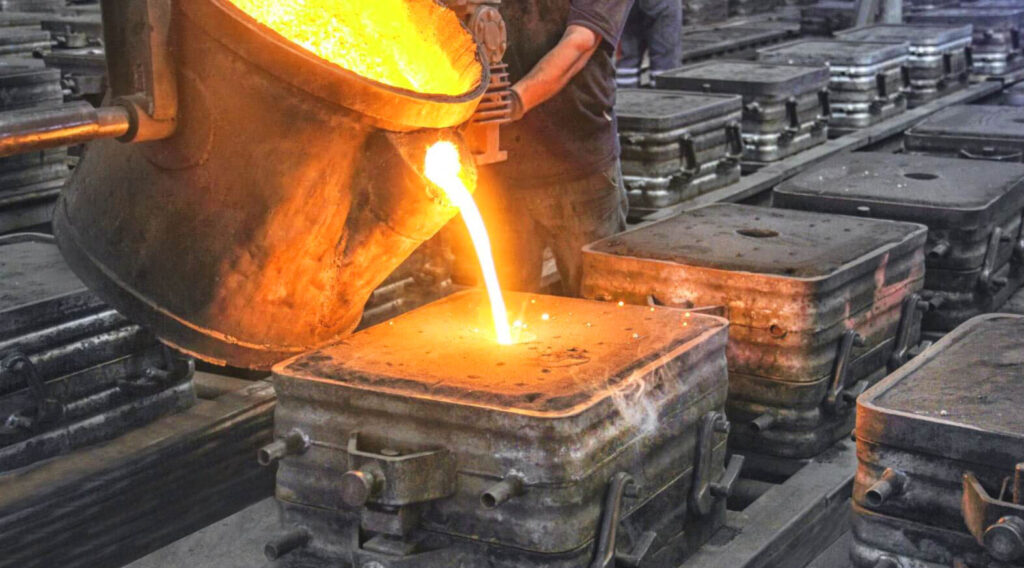
In the mining, quarrying, aggregate, and recycling industries, crusher performance directly affects production efficiency, operational costs, and profitability. Choosing the right aftermarket Metso crusher parts supplier is one of the most important decisions for maintaining reliable crushing operations.
High-quality aftermarket crusher wear parts can provide excellent durability, stable performance, and lower operating costs. On the other hand, poor-quality parts may lead to unexpected downtime, reduced productivity, excessive wear, and even equipment damage.
With many suppliers in the global market, selecting the best aftermarket Metso crusher parts manufacturer can be challenging. Buyers need to evaluate suppliers carefully based on quality, production capability, technical expertise, delivery performance, and after-sales support.
This guide explains how to choose the best aftermarket Metso crusher parts supplier and what factors should be considered before making a purchasing decision.
Why Choosing the Right Aftermarket Metso Crusher Parts Supplier Matters
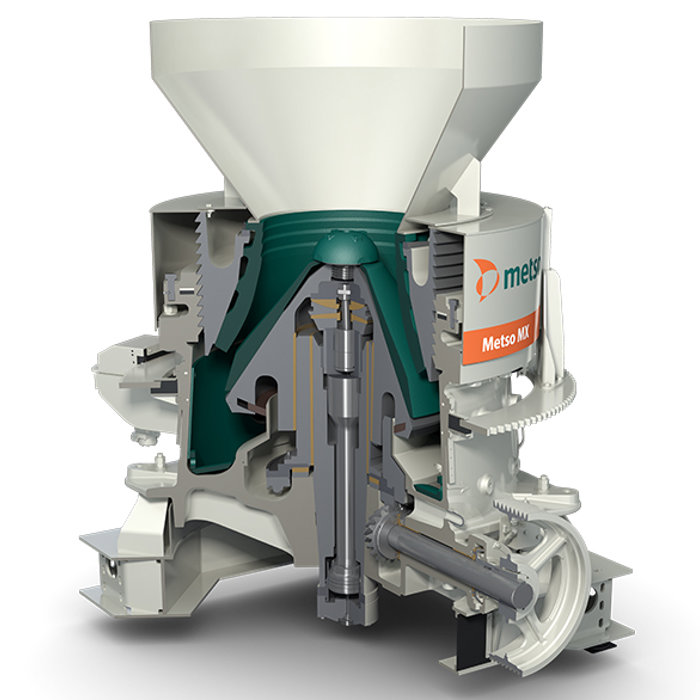
Crusher parts operate under extremely harsh conditions. Components such as mantles, concaves, jaw plates, hammer heads, blow bars, and liners are exposed to high impact, abrasion, and pressure during crushing operations.
Using reliable aftermarket crusher parts offers several advantages:
- Improved crusher performance
- Longer service life
- Reduced maintenance frequency
- Lower operating costs
- Increased production efficiency
- Reduced downtime
- Better product consistency
A professional aftermarket Metso crusher parts supplier can help customers achieve performance comparable to OEM parts while reducing procurement costs.
Understand Your Crusher Parts Requirements
Before selecting a supplier, it is essential to clearly understand your operational requirements.
Identify the Required Crusher Parts
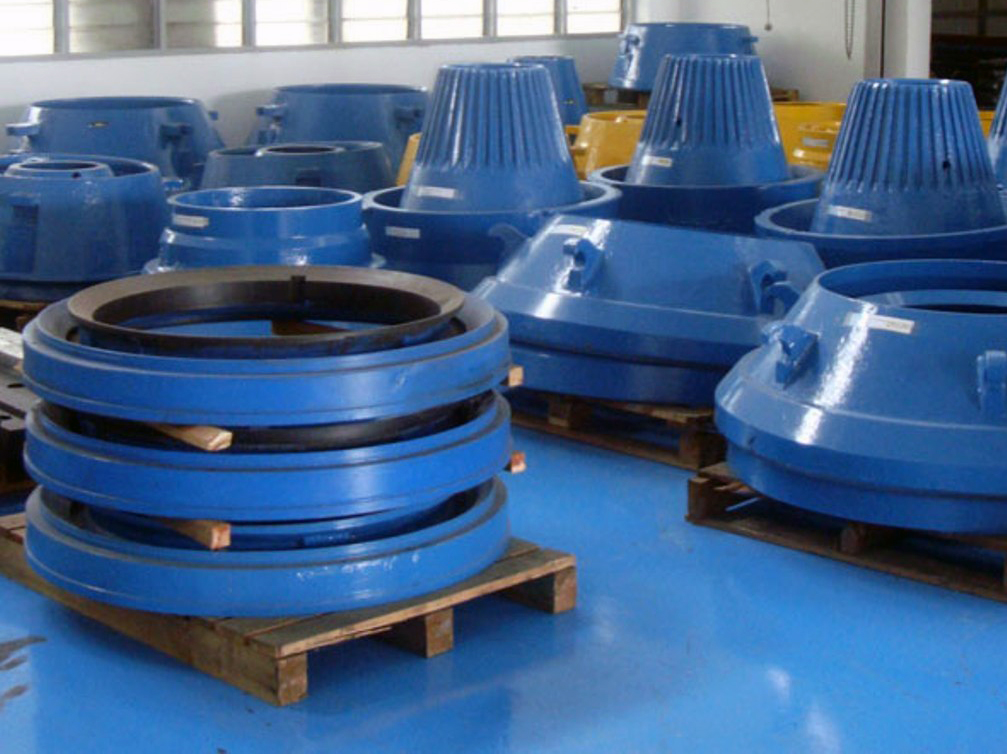
Different Metso crushers use different wear parts and spare parts. Knowing the exact part name, model number, and dimensions helps avoid compatibility issues.Common aftermarket Metso crusher parts include:
Cone Crusher Parts
- Mantles
- Concaves
- Bowl liners
- Torch rings
- Main frame liners
- Feed cones
Jaw Crusher Parts
- Fixed jaw plates
- Movable jaw plates
- Cheek plates
- Toggle plates
Impact Crusher Parts
- Blow bars
- Impact plates
- Side liners
Gyratory Crusher Parts
- Spider caps
- Mantles
- Concaves
- Bottom shell liners
Determine Crusher Model Compatibility
A reliable supplier should provide aftermarket parts compatible with various Metso crusher models, including:
- Nordberg® HP Series™ cone crushers
- Nordberg® GP Series™ cone crushers
- C Series™ jaw crushers
- NP Series™ impact crushers
- Superior™ gyratory crushers
Compatibility is critical because inaccurate dimensions can lead to poor installation, reduced crushing efficiency, and accelerated wear.
Evaluate Operating Conditions
Different crushing applications require different material selections.
Factors include:
- Hardness of raw materials
- Abrasiveness
- Moisture content
- Feed size
- Crushing stage
For example:
| Material Type | Recommended Material |
|---|---|
| Granite | High manganese steel |
| Basalt | Alloy steel |
| Quartz | High chrome alloy |
| Limestone | Standard manganese steel |
A professional supplier should recommend the most suitable material based on your application.
Evaluate Supplier Experience and Industry Reputation
Industry Experience
An experienced aftermarket Metso crusher parts supplier usually has:
- Better manufacturing processes
- More stable quality control
- Rich technical expertise
- Better understanding of crusher applications
Suppliers with many years of experience are more likely to understand customer challenges and provide practical solutions.
Customer References and Case Studies
Always ask suppliers for:
- Customer references
- Export history
- Project cases
- Industry applications
A trustworthy supplier should have experience serving industries such as:
- Mining
- Quarrying
- Cement plants
- Construction aggregates
- Recycling plants
Positive customer feedback is often a good indicator of product quality and service reliability.
Certifications and Quality Standards
Professional crusher parts manufacturers usually hold certifications such as:
- ISO 9001
- Quality management certifications
- Material inspection reports
Quality certifications demonstrate that the supplier follows standardized production and inspection procedures.
Assess Product Quality Carefully
Product quality is the most important factor when choosing aftermarket crusher parts.
Raw Material Quality
Crusher wear parts are typically manufactured from:
- High manganese steel
- High chrome iron
- Alloy steel
- Martensitic steel
The quality of raw materials directly affects:
- Wear resistance
- Impact resistance
- Service life
For example, high manganese steel is widely used because of its work-hardening properties under impact conditions.
Heat Treatment Process
Heat treatment significantly influences crusher part performance.
A professional supplier should have advanced heat treatment capabilities to ensure:
- Uniform hardness
- Improved toughness
- Better wear resistance
- Reduced cracking risk
Improper heat treatment may cause premature failure.
Dimensional Accuracy
Precise dimensions are essential for proper installation and crusher performance.
Reliable manufacturers should provide:
- CAD drawing verification
- Dimensional inspection
- Trial assembly when necessary
Even small dimensional errors can lead to installation difficulties and abnormal wear.
Quality Inspection Procedures
Ask suppliers about their inspection process.
Important inspections include:
- Chemical composition analysis
- Hardness testing
- Ultrasonic testing
- Surface defect inspection
- Dimensional measurement
A professional quality control system helps ensure stable product performance.

Review Manufacturing Capability
Production Capacity
Choose a supplier capable of meeting your production requirements.
Important factors include:
- Foundry capacity
- CNC machining capability
- Mold production capability
- Inventory management
A large production capacity helps ensure timely delivery, especially for bulk orders.
Custom Manufacturing Capability
Many customers require customized crusher wear parts.
A professional supplier should support:
- OEM drawings
- Customized dimensions
- Material upgrades
- Special alloy development
Customization capability is particularly important for mining companies with unique operating conditions.
Lead Time Stability
Delayed delivery may cause costly production downtime.
Reliable suppliers should provide:
- Stable lead times
- Emergency production capability
- Fast logistics arrangements
Consistent delivery performance is critical for long-term cooperation.
Compare Pricing Properly
Do Not Choose Based Only on Lowest Price
Extremely low-priced crusher parts may indicate:
- Inferior raw materials
- Poor casting quality
- Inadequate heat treatment
- Reduced service life
Cheap parts may actually increase long-term operating costs due to frequent replacements.
Consider Total Cost of Ownership
When comparing suppliers, evaluate:
- Initial purchase cost
- Expected wear life
- Downtime reduction
- Maintenance frequency
Higher-quality crusher wear parts often provide better long-term value.
Bulk Order and Long-Term Cooperation Discounts
Many suppliers offer:
- Volume discounts
- Annual contracts
- Distributor pricing
- Long-term cooperation benefits
Building a long-term relationship with a reliable supplier can reduce procurement costs over time.
Evaluate Technical Support and After-Sales Service
Technical Support
Professional suppliers should provide technical assistance such as:
- Material recommendations
- Installation guidance
- Wear analysis
- Performance optimization suggestions
Technical expertise is especially valuable when optimizing wear part lifespan.
Fast Response Time
Efficient communication is very important in international trade.
A good supplier should respond quickly to:
- RFQs
- Technical questions
- Delivery updates
- Quality issues
Poor communication may lead to misunderstandings and delays.
Warranty and Claims Support
Reliable suppliers usually provide warranty policies covering:
- Manufacturing defects
- Dimensional problems
- Material issues
Clear warranty terms demonstrate supplier confidence in product quality.
Evaluate Export Experience and Logistics Capability
International Shipping Experience
An experienced exporter understands:
- Export documentation
- Customs requirements
- Packaging standards
- International shipping procedures
This reduces shipping risks and delays.
Packaging Quality
Crusher parts are heavy and require strong packaging.
Professional suppliers use:
- Wooden crates
- Steel pallets
- Protective coatings
- Secure fastening systems
Proper packaging prevents transportation damage.
Flexible Trade Terms
Professional suppliers usually support multiple trade terms:
- EXW
- FOB
- CIF
- DDP
Flexible shipping arrangements help customers choose the most suitable logistics solution.
Red Flags to Avoid When Choosing a Supplier
Unrealistically Low Prices
If prices are significantly below market level, there may be quality risks.
Low-cost suppliers may reduce costs by:
- Using low-grade materials
- Skipping heat treatment
- Reducing inspection procedures
Lack of Technical Knowledge
If a supplier cannot explain:
- Material selection
- Heat treatment
- Wear performance
- Application recommendations
they may lack professional expertise.
Poor Communication
Warning signs include:
- Slow replies
- Incomplete quotations
- Unclear answers
- Missing technical details
Good communication is essential for successful long-term cooperation.
No Quality Documentation
Professional suppliers should provide:
- Material certificates
- Inspection reports
- Drawings
- Test results
Lack of documentation may indicate weak quality management.
Why Many Buyers Choose Aftermarket Metso Crusher Parts
High-quality aftermarket crusher parts can provide several advantages compared with OEM purchasing channels:
- Competitive pricing
- Shorter lead times
- Flexible customization
- Comparable performance
- Better customer service
Many experienced aftermarket manufacturers produce parts that meet or exceed OEM quality standards.
Questions to Ask Before Choosing a Supplier
Before placing an order, buyers should ask:
- What materials are used?
- What quality inspections are performed?
- Can you provide material test reports?
- What is the expected lead time?
- Do you support customized drawings?
- What warranty do you provide?
- Which countries do you export to?
- Can you provide customer references?
- What packaging methods do you use?
- How do you handle quality claims?
These questions help buyers evaluate supplier professionalism.
Conclusion
Selecting the best aftermarket Metso crusher parts supplier requires careful evaluation of quality, experience, production capability, technical support, pricing, and logistics performance.
The right supplier can help reduce downtime, improve crusher efficiency, lower maintenance costs, and increase profitability. Instead of focusing only on the lowest price, buyers should prioritize long-term value, stable quality, and reliable service.
A professional aftermarket crusher parts manufacturer should provide:
- High-quality materials
- Strict quality control
- Accurate dimensions
- Stable delivery
- Technical support
- Competitive pricing
By carefully evaluating potential suppliers, mining and aggregate companies can establish long-term partnerships that improve operational efficiency and reduce total crushing costs.
Email: [john@crusherwearpartspro.com]
WhatsApp: [+86-15057941949]
Website: https://crusherwearpartspro.com/
Get In Touch – Let’s optimize your crushing performance together!