Buyer’s Guide to Jaw Crusher Plates for Quarry and Mining
INTRODUCTION
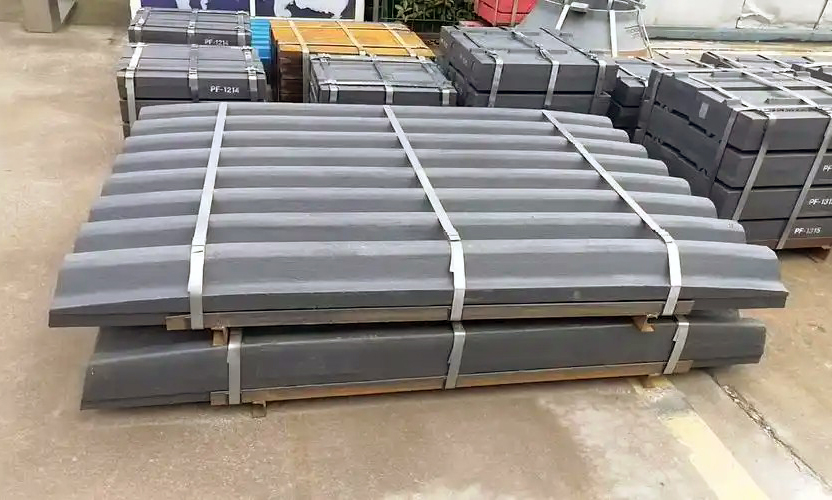
Jaw crushers are among the most widely used crushing equipment in the quarrying, mining, aggregate, and construction industries. Their performance depends heavily on one critical wear component—jaw crusher plates. These plates, also called jaw dies, play a central role in breaking down hard rocks into smaller, workable sizes.
Selecting the right jaw crusher plates affects production capacity, energy efficiency, material output shape, and maintenance cost. When sourced correctly—especially from reliable suppliers in China—companies can significantly lower operational expenses while improving crushing performance.
This comprehensive buyer’s guide explains everything you need to know about selecting jaw crusher plates for quarry and mining applications. It covers materials, profiles, hardness, supplier evaluation, purchasing tips, and lifecycle optimization strategies.
Explore high-quality jaw crusher plates from Econe Wear Parts built for quarry and mining operations.
1. Understanding the Role of Jaw Crusher Plates
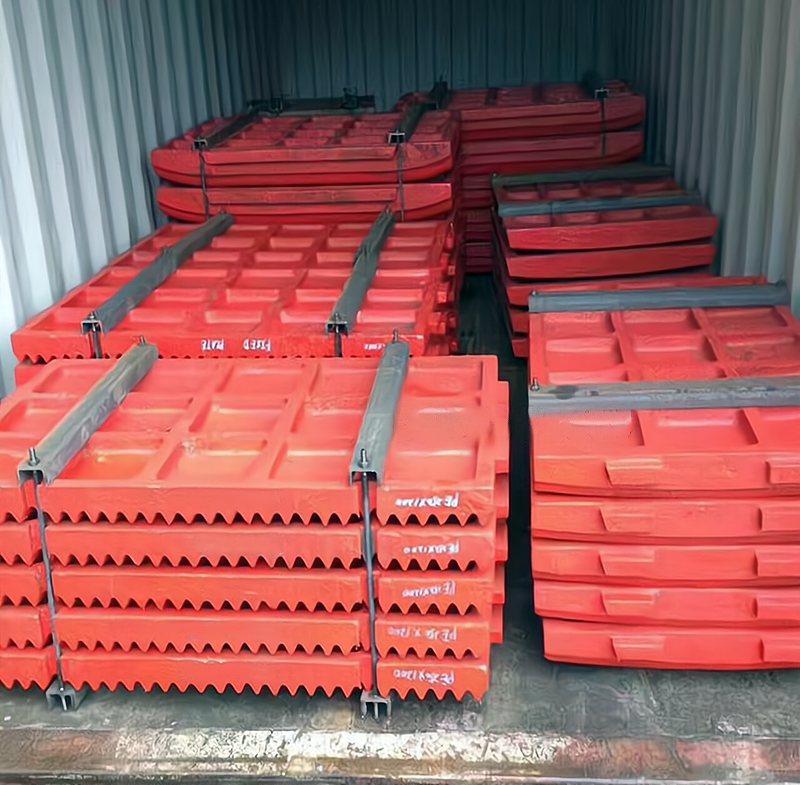
Jaw crusher plates are responsible for the primary crushing phase. They exert mechanical pressure on rocks, forcing them to break through compression. A standard jaw crusher has two plates:
Fixed jaw plate
Movable jaw plate
The interaction between these two plates generates the crushing force.
1.1 Why Jaw Plates Are Critical
They determine crushing efficiency
They affect size reduction ratio
They influence maintenance cycles
They directly impact plant operating costs
They determine the lifespan of the jaw crusher
High-quality jaw plates reduce downtime, enhance capacity, and deliver uniform output.
2. Types of Jaw Crusher Plates
Different working conditions require different plate types. The most common plate classifications include:
2.1 Standard Jaw Plates
General-purpose plates used for common rock types such as limestone, granite, and sandstone. Suitable for most quarrying applications.
2.2 Heavy-Duty Jaw Plates
Designed for extremely abrasive or hard materials. Thicker, stronger, and more wear-resistant.
2.3 High Manganese Steel Plates
The most widely used material (Mn13, Mn18, Mn22) due to excellent work-hardening properties.
2.4 Alloy and Composite Plates
For special applications requiring higher hardness or corrosion resistance.
2.5 Customized Jaw Plates
Manufacturers like Econe provide OEM and fully customized jaw dies, including:
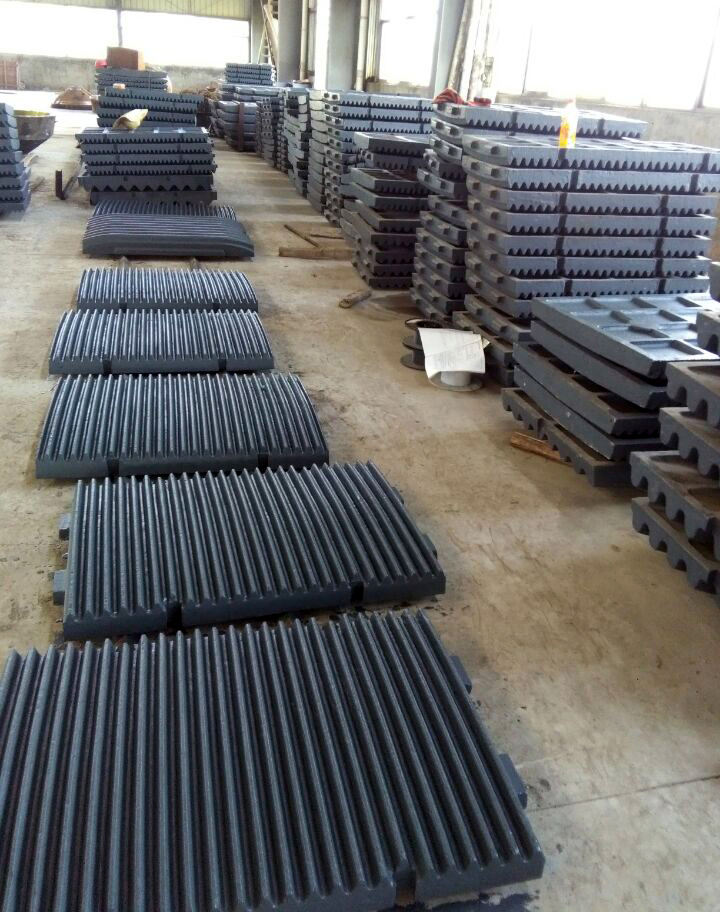
Tooth profile
Material grade
Mounting structure
Surface hardening
3. Jaw Plate Materials: What Buyers Must Know
Choosing the right material is one of the most critical decisions. Material performance determines:
Wear resistance
Impact resistance
Work-hardening behavior
Suitability for specific rock types
3.1 Mn13 (Standard Manganese Steel)
Suitable for soft to medium-hard stone. Good toughness, moderate wear resistance.
3.2 Mn18 (High Manganese Steel)
The most widely used grade in quarrying. Offers excellent work hardening and long lifespan.
Advantages:
Ideal for hard and abrasive stone
Long service life once hardened
Cost-effective
3.3 Mn22 (Super High Manganese Steel)
Used for high-impact, extremely abrasive environments.
Advantages:
Exceptional toughness
Strong resistance to cracking
Ideal for hard granite, iron ore, and basalt
3.4 Chrome-Moly Alloy Steel
Used in certain special designs requiring higher hardness at the start.
3.5 Bimetal and Composite Plates
Combine two metal layers for optimized wear resistance and impact strength.
4. Jaw Plate Tooth Profiles and Their Applications
Jaw plates are not just flat steel blocks—they feature different tooth profiles suited for specific materials and crushing stages.
4.1 Standard Tooth (ST)
Most universal design
Balances grip and wear resistance
Suitable for mixed rock types
4.2 Super Tooth (XT or WT)
Larger teeth
Better grip on large stones
Ideal for primary crushing of hard rock
4.3 Corrugated or Multi-Tooth
Common in secondary crushing
Better material throughput
Improved reduction ratio
4.4 Flat Tooth or Straight Tooth
Used for soft or sticky materials
Reduces clogging
4.5 Wave Tooth
High performance in abrasive rock
Minimizes localized wear
Selecting the right profile significantly improves crusher performance and lifespan.
5. Factors That Affect Jaw Plate Lifespan
Different rock types and working conditions impact plate wear differently. Key factors include:
5.1 Material Hardness
Harder rocks cause faster wear. Examples:
Granite – very abrasive
Basalt – high impact load
Limestone – moderate abrasiveness
River stone – smooth but hard
5.2 Feed Size
Oversized feed material accelerates wear and stresses the crusher.
5.3 Crusher Settings (CSS – Closed Side Setting)
A smaller CSS increases pressure on plates and speeds up wear.
5.4 Operating Conditions
Moisture content
Crusher speed
Crushing ratio
Iron contamination in the feed
5.5 Material Flow and Chamber Shape
Correct feed distribution extends the lifespan of both fixed and moving jaws.
6. Key Specifications Buyers Should Request
When sourcing jaw plates—especially from China—clear specifications ensure accurate pricing and performance.
You should list:
Crusher model and brand
Part number (if available)
Material grade (e.g., Mn18Cr2)
Tooth profile
Weight and dimensions
Mounting hole design
Tolerance requirements
Heat treatment requirements
Providing a drawing (PDF, CAD, or sample) significantly reduces quotation errors.
7. How to Select Jaw Crusher Plates for Quarry and Mining
Choosing the right jaw plates increases productivity and reduces operational costs.
7.1 For Hard, Abrasive Rock
Choose Mn18 or Mn22
Select heavy-duty or super tooth design
Ensure proper thickness and reinforced edges
7.2 For Medium-Hard Rock
Mn18 with standard or medium tooth profiles
Balanced performance and cost-effectiveness
7.3 For Soft or Sticky Materials
Use flat or shallow tooth designs
Choose Mn13 or Mn18
7.4 For High-Throughput Plants
Opt for high-manganese Mn18 with wave tooth
Improves crushing pressure and reduces jamming
7.5 For Mobile Crushers
Lighter weight jaw plates
Prioritize impact resistance over thickness
Consider composite materials
8. Why Source Jaw Crusher Plates from China
China has become a global center for wear parts manufacturing. For jaw plates, the benefits include:
8.1 Competitive Pricing
Cost-effective production without compromising quality.
8.2 Advanced Casting Technology
CNC machining
Automated heat treatment
Spectrometer chemical analysis
Sand casting and lost foam casting
8.3 OEM/ODM Customization
China factories can replicate any OEM brand, including:
Metso
Sandvik
Terex
Kleemann
Trio
Finlay
Parker
Shanbao
8.4 Fast Lead Time
High-volume facilities allow quick production and shipment.
8.5 Global Export Experience
Smooth customs clearance, stable packaging, and reliable logistics.
9. How to Evaluate Jaw Crusher Plate Suppliers in China
Selecting the right supplier is just as important as selecting the right material and tooth profile. China has hundreds of wear parts manufacturers, but their capabilities vary greatly. Here are key evaluation standards for overseas buyers:
9.1 Check Manufacturing Capabilities
A reliable supplier should have:
Large steel casting workshop
Independent heat treatment furnace
CNC machining equipment
Spectrometer for chemical analysis
Hardness and impact test machines
OEM customization capabilities
Suppliers without these facilities typically outsource production, which results in inconsistent quality.
9.2 Technical Expertise
Choose suppliers who can:
Recommend suitable manganese grades
Suggest optimized tooth profiles
Offer chamber design improvements
Provide drawings and 3D scanning
Explain heat treatment details
High-level technical support is a strong indicator of reliability.
9.3 Export Experience
Look for suppliers who:
Have 5+ years of export experience
Understand INCOTERMS
Provide packing lists, CO, MSDS
Have stable supply to Europe, US, South America, Africa, and Southeast Asia
Experienced exporters handle documents, packaging, palletizing, and customs smoothly.
9.4 Quality Control System
A manufacturer focusing on wear parts should offer:
Raw material inspection
Spectrometer testing
Hardness testing (before and after heat treatment)
Dimensional checks
Sampling inspection for batches
Final inspection reports
9.5 Customer Feedback and Case Studies
Ask for:
Testimonials
Past orders to similar industries
References or site photos
Positive customer feedback is often the best indicator of long-term quality.
10. Avoiding Low-Quality Jaw Crusher Plates
Low-quality plates may appear cheap, but they increase maintenance downtime and drastically raise the cost per ton of crushed material.
10.1 Red Flags to Watch For
Prices much lower than market average
No material certificate (Mill Cert)
Unknown casting sources
No heat treatment or incorrect heat treatment curve
Poor machining tolerance
Thin tooth tips
Excessive porosity or casting defects
10.2 Hidden Costs of Poor-Quality Plates
50–80% shorter lifespan
Frequent shutdowns
Irregular output size
Higher fuel and power consumption
Damage to crusher bearings and shafts
Safety risks
Always prioritize long-term cost over short-term savings.
11. Purchase Process When Sourcing from China
To make procurement efficient, follow this recommended process:
11.1 Step 1 – Send RFQ with Detailed Requirements
Include:
Crusher brand and model
Plate type and tooth profile
Material grade
Weight requirement
Tonnage of production and working conditions
Quantities and expected annual usage
Drawing or sample (if available)
11.2 Step 2 – Supplier Technical Confirmation
Supplier should provide:
Detailed material composition
Recommended profile
Hardness range
Expected lifespan
Product weight tolerance
Manufacturing time
11.3 Step 3 – Quotation and Payment Terms
Price varies by:
Material (Mn13, Mn18, Mn22)
Weight
Design complexity
Order quantity
Payment terms typically include:
T/T 30% deposit + 70% balance before shipment
Alibaba Trade Assurance
L/C at sight (for large orders)
11.4 Step 4 – Production and Quality Inspection
During production, check:
Raw material batch
Heat treatment curve
Hardness test
Dimensions and symmetry
Surface quality
11.5 Step 5 – Packaging and Delivery
Proper packaging includes:
Wooden pallet
Steel band reinforcement
Anti-rust coating
Protective cardboard layers
Tight wrapping
Shipping options:
FOB China port (most common)
CIF for convenience
EXW for buyers with Chinese forwarders
12. Inspection & Testing Requirements
Before shipment, request the following:
12.1 Chemical Composition Certificate
Shows manganese (Mn), chromium (Cr), silicon (Si), carbon (C), etc.
Must meet ASTM, DIN, or ISO standards.
12.2 Hardness Testing
Measured in HB or HRC.
Jaw plates should fall within the recommended range, depending on grade.
12.3 Dimensional Inspection
Check:
Mounting hole alignment
Plate thickness
Tooth height
Chamber compatibility
12.4 Visual Defect Inspection
Must be free from:
Shrinkage cavities
Cracks
Air holes
Slag inclusion
12.5 Third-Party Testing
For large orders, consider using:
SGS
BV
Intertek
These reports reduce supplier risk significantly.
13. Cost Analysis: Long-Term Value vs. Initial Price
High-quality manganese plates significantly reduce:
Maintenance cost
Replacement frequency
Labor cost
Downtime losses
13.1 Cost-per-Ton Calculation
A common evaluation method:
Cost per ton = Total jaw plate cost / Total tons of stone crushed
Well-designed Mn18/Mn22 plates typically deliver the lowest cost per ton.
14. Maintenance Tips to Maximize Jaw Plate Lifespan
14.1 Rotate Plates Regularly
Fixed and movable plates wear differently. Rotating them increases total lifespan.
14.2 Maintain Proper CSS Settings
Avoid overly small CSS—this increases pressure and accelerates wear.
14.3 Ensure Even Feeding
Use vibrating feeders to ensure even distribution and avoid localized wear.
14.4 Monitor Chamber Pressure and Power Load
Sudden spikes indicate:
Iron contamination
Oversized stones
Improper feed size
14.5 Replace Plates Before They Fail Completely
Overused plates may:
Damage the crusher
Increase output size inconsistency
Raise power consumption
15. Case Studies: Real Improvements from High-Quality Jaw Plates
15.1 Granite Quarry in Saudi Arabia
Problem: Plates lasted only 7–10 days with local supplier.
Solution: Upgraded to Mn22 Super Tooth plates from Econe.
Result:
Lifespan increased to 30–40 days
Reduced downtime by 50%
Lowered cost-per-ton by 28%
15.2 Basalt Crushing Plant in Peru
Problem: Severe abrasive wear, uneven output.
Solution: Customized alloy-composite plates.
Result:
Wear rate decreased by 40%
Improved crushing efficiency
Consistent output size
15.3 Limestone Quarry in South Africa
Problem: Premature cracking under high impact.
Solution: Mn18Cr2 heavy-duty jaw plates.
Result:
Eliminated cracking issues
Increased throughput by 15%
16. Recommended Supplier for Jaw Crusher Plates
China manufacturers vary, but companies specializing in manganese wear parts—such as Econe—provide reliable long-term value.
Request customized jaw crusher plate solutions from Econe Wear Parts for your quarry or mining application.
These engineered plates offer:
Optimized tooth profile
Superior manganese metallurgy
Strict QC and testing
Strong global export experience
17. Conclusion
Choosing the right jaw crusher plates is essential for improving production performance, reducing downtime, and lowering operating costs in quarry and mining applications.
This buyer’s guide summarized:
Material selection (Mn13, Mn18, Mn22)
Tooth profiles for different rock types
Supplier evaluation criteria
Cost and value analysis
Inspection standards
Maintenance tips
Real-world case studies
By sourcing high-quality jaw plates from reputable suppliers in China, quarry and mining companies can significantly improve crusher performance and maximize ROI.
Email: [john@crusherwearpartspro.com]
WhatsApp: [+86-15057941949]
Website: https://crusherwearpartspro.com/
Get In Touch – Let’s optimize your crushing performance together!