
Crusher Hammer Price vs Quality: How to Make the Right Choice
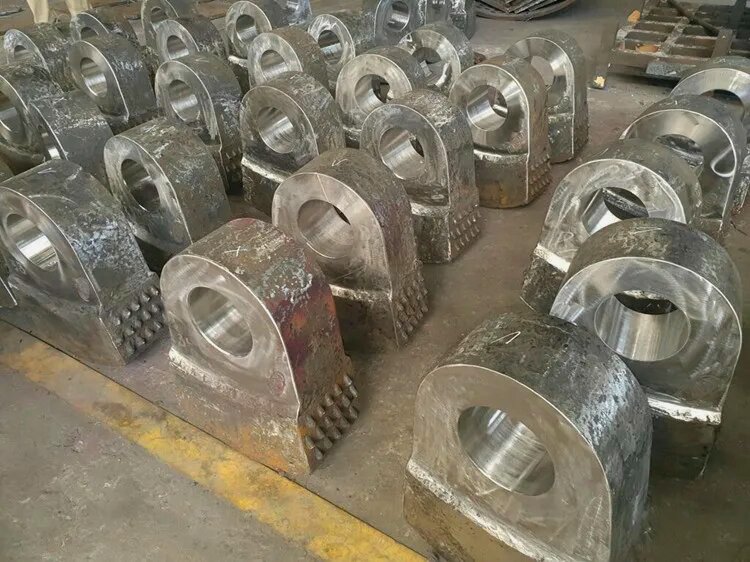
INTRODUCTION
When it comes to crusher machines used in mining, cement, and aggregate production, one of the most critical components determining performance and operating cost is the crusher hammer. Whether you operate a small quarry or a large cement plant, your productivity and profitability depend heavily on how long your crusher hammers last and how efficiently they crush material.
However, when purchasing new crusher hammers, most buyers face the same dilemma — should you focus on price or quality? The answer isn’t always straightforward. Cheap hammers can save you money upfront, but they might fail faster, leading to downtime and high maintenance costs. On the other hand, premium hammers may cost more initially but provide longer service life and better performance.
This article will help you understand the true balance between price and quality, analyze what affects the cost of crusher hammers, and provide expert guidance on how to make the best purchasing decision for your crushing plant.

1. Understanding the Role of Crusher Hammers
Crusher hammers are the heart of impact crushers and hammer mills. Their main function is to strike the material fed into the crusher and shatter it into smaller particles. A high-quality hammer must combine hardness, toughness, and wear resistance, ensuring consistent performance under heavy loads.
There are different types of crusher hammers used in various industries:
High manganese steel hammers – suitable for impact and abrasion environments.
High chromium alloy hammers – known for excellent wear resistance.
Bimetal composite hammers – a combination of strength and wear resistance.
Tungsten carbide-tipped hammers – used in extremely abrasive conditions.
Understanding which type fits your application is the first step toward making a smart investment.
2. The Relationship Between Price and Quality
The price of a crusher hammer is largely determined by the raw materials, production process, heat treatment, and quality control standards. Manufacturers that use higher-grade steel, advanced heat treatment technology, and precise machining will inevitably have higher production costs—but their products will perform better and last longer.
Let’s break this down further:
| Factor | Low-Price Hammer | High-Quality Hammer |
|---|---|---|
| Material | Low-grade recycled steel | Premium alloy or manganese steel |
| Casting Method | Ordinary sand casting | Precision casting or lost-foam casting |
| Heat Treatment | Basic or none | Controlled high-temperature heat treatment |
| Hardness & Toughness | Unbalanced | Optimized balance of hardness and impact strength |
| Service Life | Short | Long (up to 2–3x longer) |
While cheap hammers may look identical to high-end ones at first glance, their internal microstructure often reveals the difference. A poorly heat-treated hammer may crack easily under stress, while a high-quality hammer can maintain consistent hardness across its entire cross-section.
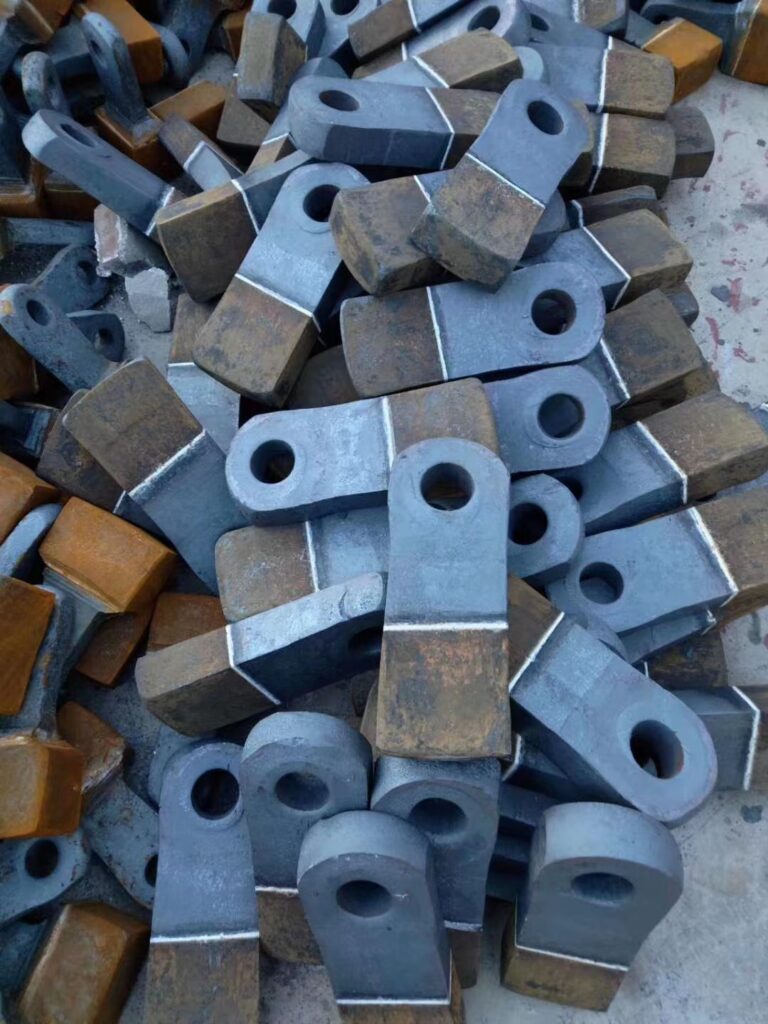
3. The Hidden Costs of Choosing Low-Priced Crusher Hammers
Many plant managers are tempted by the initial savings of buying cheaper crusher hammers. However, these short-term savings often lead to long-term losses. Here’s why:
Frequent Replacement Costs
Low-quality hammers wear out faster, meaning you’ll have to replace them more often. The cost of spare parts, transportation, and installation can quickly exceed the initial price difference.Increased Downtime
Every time your crusher stops for hammer replacement, your production line loses valuable hours. For high-capacity plants, downtime can translate into thousands of dollars in lost output.Lower Crushing Efficiency
Cheap hammers often deform or chip easily, reducing the crushing efficiency and increasing energy consumption. This means more fuel or electricity per ton of material processed.Potential Safety Hazards
Inferior hammers can fracture under heavy impact, posing serious safety risks to workers and causing mechanical damage to the crusher itself.
When considering these factors, it becomes clear that buying cheap crusher hammers isn’t really saving money — it’s just delaying the cost.
4. What Determines Crusher Hammer Quality
If you want to make an informed decision, it’s essential to understand what actually defines a hammer’s quality. The following key factors can make or break the performance of a crusher hammer:
a. Material Composition
The most common materials include:
High Manganese Steel (Mn13, Mn18, Mn22): Offers excellent work hardening properties.
High Chromium Iron: Provides exceptional wear resistance but lower impact strength.
Bimetal Composites: Combine the best of both — hard wear surface and tough core.
Alloy Steels: Custom blends optimized for specific working conditions.
b. Heat Treatment Process
Heat treatment determines the hardness and toughness of the hammer. A well-controlled heat treatment can improve grain structure, making the hammer more resistant to cracking and deformation.
c. Machining and Surface Finish
Accurate machining ensures proper fitment in the crusher rotor, minimizing vibration and improving impact energy transfer.
d. Quality Control
Leading manufacturers use spectrographic analysis, ultrasonic inspection, and hardness testing to ensure consistent quality in every batch.
5. How to Choose the Right Crusher Hammer Supplier
Selecting the right supplier is as important as choosing the hammer material. Look for the following qualities in a supplier:
Experience and Reputation – Established manufacturers with a proven track record are more likely to deliver consistent quality.
Material Certification – Ensure the supplier provides chemical composition and mechanical test reports.
Customization Capability – The best suppliers offer custom design services based on crusher model, material type, and working environment.
After-Sales Support – Reliable suppliers help with installation guidance, performance tracking, and replacement recommendations.
Transparent Pricing – A good supplier will explain how material and process choices influence price.
6. Finding the Right Balance: Cost vs. Lifetime Value
To evaluate whether a hammer is worth the price, calculate the cost per ton of material crushed rather than focusing on the purchase price alone.
Example:
A low-cost hammer priced at $200 lasts for 100 hours.
A high-quality hammer priced at $400 lasts for 400 hours.
In this case:
Low-cost hammer = $2/hour
High-quality hammer = $1/hour
Even though the upfront cost is higher, the high-quality hammer provides double the value over its lifetime.
Thus, always consider lifetime performance, maintenance frequency, and operational stability instead of just the initial investment.
7. Real-World Example: How Quality Impacts Productivity
Many mining and cement plants have switched from standard cast hammers to high-chromium or bimetal hammers and reported major performance improvements:
40–70% longer service life
Reduced replacement downtime
More stable product size
Lower maintenance cost
The long-term benefits clearly outweigh the initial investment.
8. Recommended Practice for Buyers
Here are a few practical tips for plant owners and purchasing managers:
Always request material certificates before placing bulk orders.
Ask the supplier about their heat treatment process and quality inspection methods.
Conduct small batch testing before committing to a full production run.
Compare weight tolerance, balance, and microstructure analysis between samples.
Track hammer wear rate over time to measure real performance.
9. Why Choose Econe as Your Crusher Hammers Supplier
Choosing a reliable partner is crucial when it comes to crusher wear parts.
Econe is a professional crusher wear parts manufacturer specializing in high-performance crusher hammers, impact plates, and jaw crusher parts.
With advanced casting and heat treatment technology, Econe ensures excellent wear resistance, high impact toughness, and consistent quality — helping clients reduce downtime and improve production efficiency.
10. Conclusion: Make Quality Your Priority
When comparing crusher hammer price vs quality, the cheapest option is rarely the best. A well-made hammer not only lasts longer but also improves crushing efficiency and safety. By understanding material properties, heat treatment, and supplier reliability, you can make purchasing decisions that truly maximize your return on investment.
In short — choose value, not just price. Partnering with a trusted manufacturer like Econe ensures that every hammer you install adds measurable value to your operation.
Email: [ljj2914@163.com]
WhatsApp: [+86-15057941949]
Website: https://crusherwearpartspro.com/
Get In Touch – Let’s optimize your crushing performance together!